Portable Fan Guide: How to Stay Cool Anywhere Without the Fuss
By Gadgetly • 18 September 2026 • 8 min read
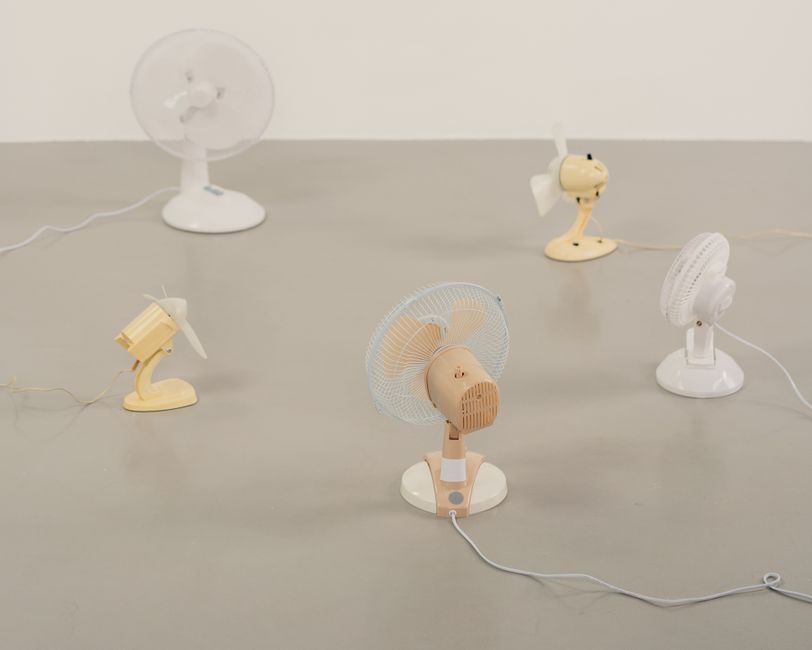
A portable fan can make warm days feel far more manageable, whether you are working from home, sitting in a stuffy office, travelling on public transport or trying to sleep through a muggy night. In this guide, we will show you what to look for before buying, which features actually matter, and how to choose a fan that suits real UK life without wasting money on gimmicks.
Why a portable fan is the small gadget that earns its keep
Some gadgets look fun for five minutes, then end up forgotten in a drawer. A good portable fan is different. It solves a simple, common problem: being too warm when you cannot easily control the room, the weather or the air flow around you.
In our experience sourcing practical gadgets for UK shoppers, the best products are not always the flashiest. They are the ones people reach for again and again because they make daily life easier. A compact cooling fan fits that perfectly. It is useful at your desk, next to your bed, in the kitchen, in a pram basket, in a gym bag, on a camping trip or on a crowded train platform.
The UK is not always hot, but that is exactly why portable cooling is so handy. Many homes are built to hold warmth, not release it. Offices can be uneven, with one person cold and another overheating. Flats can become stuffy at night. And when summer heat arrives, fans sell fast because everyone suddenly needs a quick fix.
A portable fan gives you personal comfort without needing to cool an entire room. That matters because full-room cooling can be expensive, bulky and unnecessary if you only need air moving around you.
How to choose the best portable fan for UK life
When people search for a portable fan UK shoppers can use every day, they often focus on price first. Price matters, of course, but the better question is: where will you actually use it?
A fan for your desk does not need the same features as one for a commute. A bedside fan needs to be quiet. A travel fan should be lightweight. A fan for a warm kitchen needs stronger airflow. Matching the fan to the situation is the easiest way to avoid disappointment.
For work and study
If you sit at a desk for hours, choose stability, quiet operation and adjustable angles. A small desk fan is ideal because it can sit beside a laptop, monitor or notebook without taking over the space. Look for a base that feels steady, especially if the fan has a larger head or multiple speed settings.
USB power can be useful at a workstation because you can run the fan from a laptop, power bank or plug adaptor. A USB fan is not always the most powerful option, but it is convenient for regular, low-effort cooling.
For travel and commuting
For travel, size and battery life become more important. A handheld fan should feel comfortable to hold, easy to pack and simple to switch on quickly. Nobody wants to wrestle with awkward buttons when standing on a busy platform or sitting on a warm coach.
Foldable designs can be useful because they work in the hand and on a table. A lanyard or clip can also help, especially for festivals, day trips, camping and holidays.
For sleep and bedrooms
Noise is the big one here. A powerful fan that rattles or whines can keep you awake, even if it cools well. For bedside use, look for lower speed settings, smooth airflow and a design that does not vibrate against the table.
It is also worth thinking about indicator lights. Some gadgets have bright LEDs that look harmless in the daytime but feel like a lighthouse at 2am. If you are sensitive to light, choose a simpler fan or one with subtle controls.
Portable fan features that actually matter
Fan listings can be full of impressive-sounding extras, but a handful of features make the biggest difference in daily use. Here is what we look at when assessing problem-solving gadgets for customers.
- Airflow: More airflow means better cooling, but it can also mean more noise and faster battery drain. The best choice is balanced, not simply the strongest.
- Battery life: A rechargeable fan is brilliant if it lasts long enough for your routine. Check whether the quoted battery life applies to low speed only, as high speed usually drains faster.
- Charging type: USB charging is convenient because most people already have cables, plugs and power banks around the home.
- Noise level: Quiet cooling matters for calls, sleep, study and shared spaces. If you need silence, avoid oversized promises and focus on lower-speed usability.
- Adjustability: Tilt, fold and rotation features help direct air where you actually need it, rather than blasting your keyboard or missing your face completely.
- Build quality: A lightweight fan is useful, but flimsy plastic, weak hinges and wobbly bases can become annoying quickly.
The trade-off is simple: smaller fans are easier to carry, while larger fans usually move more air. Higher power feels great, but it may be louder. Bigger batteries last longer, but they add weight. There is no perfect fan for every person, so the best option depends on your main use.
Portable fan versus full-size fan: which is better?
A full-size fan is still useful if you want to move air around a whole room. If you have a large bedroom, lounge or home office, a tower or pedestal fan may be more effective for general cooling.
But a portable fan wins on convenience. You can move it from room to room, pack it for a trip and use it exactly where you are sitting. It also takes up less space, which matters in smaller UK homes, rented rooms, student accommodation and shared offices.
Think of it this way: a full-size fan cools the space. A portable fan cools you. If you are the only person feeling warm, personal cooling is often the smarter choice.
Best everyday uses for a portable fan
The reason these gadgets are popular is simple: they fit into loads of daily situations. You do not need a heatwave to benefit from one.
- Home office: Keep air moving during long laptop sessions without disturbing the whole room.
- Bedside table: Create a gentle breeze on warm nights without dragging a large fan across the floor.
- Kitchen: Stay cooler while cooking, especially in smaller spaces with limited ventilation.
- Commute: Use a handheld fan while waiting for buses, trains or underground services.
- Travel: Pack one for hotels, caravans, tents and holiday apartments where airflow can be unpredictable.
- Gym bag: Cool down after a workout or during outdoor exercise breaks.
- Family days out: Keep a compact fan ready for queues, parks, beaches and festivals.
One thing we always recommend is charging before you need it. A fan with an empty battery is just another item in your bag. If you keep it near your keys, laptop or phone charger, it becomes part of the routine.
What to avoid when buying a portable fan
Not every fan is worth buying. Some look great in short videos but are less practical in real life. Watch out for products that focus only on novelty rather than comfort, reliability and ease of use.
Very tiny fans can be cute, but they may not move enough air to make a real difference. Extremely cheap models may feel tempting, but weak motors, poor battery life and noisy operation can make them frustrating. On the other hand, paying more does not automatically mean better. You are looking for the right mix of airflow, comfort, battery and build.
Also be realistic about cooling. A fan does not lower the room temperature like air conditioning. It helps you feel cooler by moving air across your skin. That is still very effective for personal comfort, but it is important to understand the difference.
How to get more from your portable fan
Small habits can make your fan work better. Place it where it can pull in clear air rather than blocking the back against a wall or stack of papers. Angle it towards your upper body, not just your hands. Use lower speeds when you need quiet, and save high speed for quick cooling bursts.
If you are using it at night, try positioning it across the bed rather than directly at your face. Constant airflow straight into your eyes or throat can feel uncomfortable after a while. For desk use, aim it just off-centre so it cools you without drying your eyes during screen time.
Keep the grille clean too. Dust builds up over time and can reduce airflow. A quick wipe when the fan is switched off and unplugged helps it run better and look fresher.
Is a portable fan worth it?
For most people, yes. A portable fan is affordable, easy to use and genuinely helpful in everyday situations. It will not replace proper ventilation or full-room cooling when temperatures get extreme, but it can make warm moments far more comfortable.
If you want one fan for everything, choose a rechargeable fan with multiple speed settings, a stable base and USB charging. If you mainly need it for work, prioritise quiet operation and desk-friendly design. If you need it for travel, go compact, lightweight and easy to carry.
At Gadgetly, we like products that solve annoying little problems without making life more complicated. A good portable fan does exactly that. It is simple, useful and ready when the weather, the commute or the office temperature is not on your side.
When you choose well, it is not just a summer gadget. It is a small comfort upgrade you will be glad to have close by.

